


Florida Lawmakers Approve New Property Tax Rules 🏠📜
In the land of perpetual sunshine and seemingly endless beaches, where palm trees sway and oranges grow, a tempest brews in the legislative halls of Florida. The newly approved property tax rules promise both relief and bafflement, sometimes within the same breath. On the surface, they seem like a benevolent gesture towards homeowners, yet one might wonder—who truly stands to benefit? 🤔
The New Rules: A Balancing Act
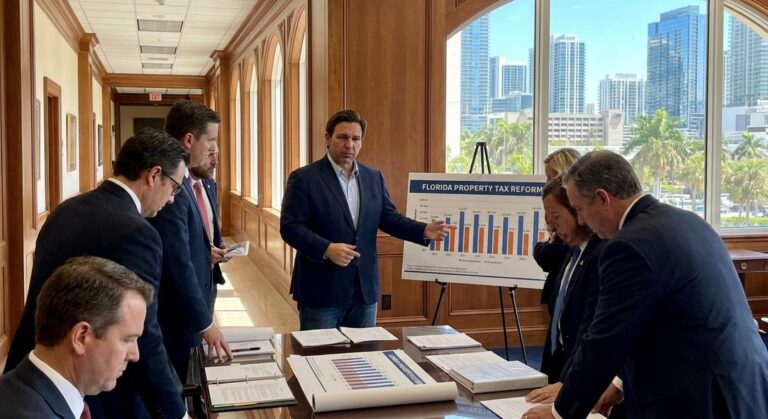
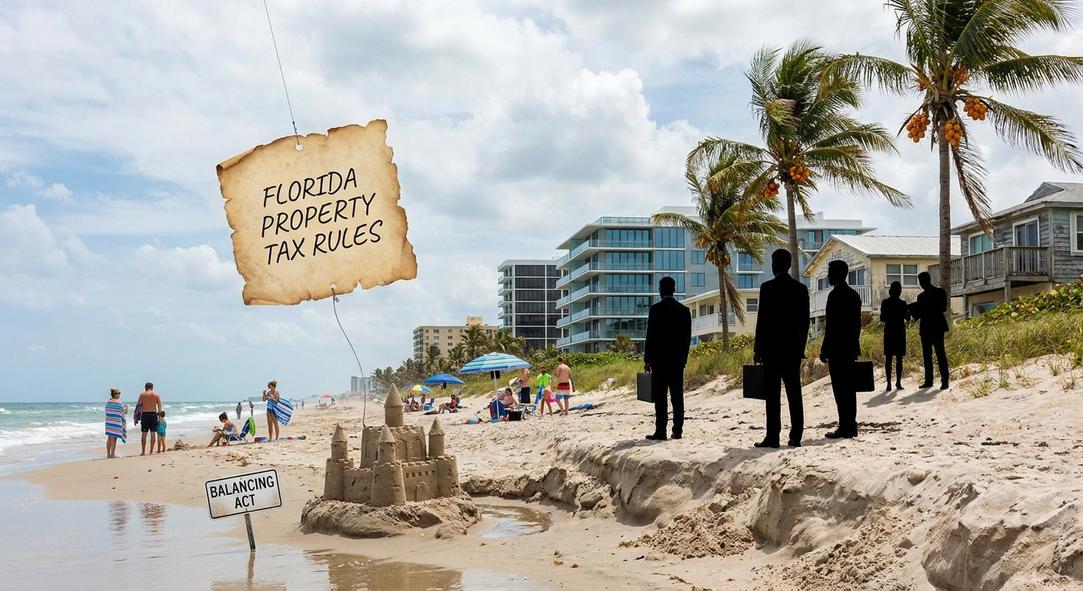
Florida’s recent legislative push introduces a complex set of rules designed to stabilize property taxes while spurring economic growth. However, much like balancing a sandcastle on the shore at high tide, the dynamic between relief and revenue remains precarious. The state aims to cap property tax increases for primary residences—homes lived in rather than rented out—at a modest rate, a move designed to safeguard homeowners from rapidly increasing valuations 🏡💸.
Conversely, non-primary properties witness no such reprieve, maintaining the irony that investors, those bearing the weight of economic advancement, face the more forceful impact. In this striking antithesis lies the essence of Florida’s approach: encouraging local ownership while tightening the belt on outside investors. However, is a state buoyed by tourists and snowbird investors truly wise to nibble the hand that feeds it?
Economic Ripples: Reality and Rhetoric
Proponents of the tax changes tout their potential to keep more families anchored in their homes. This stability could drive community cohesion and invest in the state’s future, much like nurturing saplings in fertile soil 🌿. But the devil, as they say, prowls within the details. Property investors grumble (not unlike a teapot about to whistle), forecasting dampened enthusiasm for real estate ventures that inflate the state’s coffers 🏗️.
In the past, Florida’s coastline played the protagonist in many an investor’s dream—a dream now potentially tainted with uncertainty and risk. Yet, in an era where economic fears sway as swiftly as the tides, can the balance truly tip toward altruism, or is it simply a mirage on the legislative horizon?
Consequences and Considerations
The passage of these new rules, though celebrated by some as pragmatic progressivism, raises concerns. Could the state inadvertently muzzle its own allure? In a place where sun-kissed properties are as plentiful as grains of sand, the quintessential question remains: Will Floridians find themselves caught in a cycle of unintended consequences?
The unpredictable winds of policy changes may sweep away some investment zeal, yet hope persists that local communities might flourish under their protective umbrella. As with any legislative gambit, the interplay between intention and outcome remains as capricious as Florida’s storm season ⛈️.
The stakes of this tax saga unfold not unlike currents in the Gulf Stream: unpredictable yet fascinatingly complex. The rules reflect not just an attempt to contain fiscal pressures but also to redefine the state’s economic identity.
History’s Melody of Change?
As Florida navigates this fiscal experiment, history’s tune offers a reminder. The property tax landscape has evolved in cycles, and much like the art of capturing light in a photograph, clarity is often realized only in hindsight. Are we witnessing foresight in legislature, or is it merely another swing of a pendulum destined to return? 🔄
As citizens weather the decisions made under the domed roof of democracy, the real test lies in whether these changes will carve pathways to long-term security or merely cast shadows on the walls of financial stability. Indeed, much like a painting where perspective reveals the hidden depths, the full picture of Florida’s latest legislative chapter is still being sketched.
For now, as the sun sets over the horizon, residents, investors, and lawmakers alike ponder the enduring question: Will this legislative shift shore up dreams of paradise, or leave them adrift on the tides of regulatory evolution 🌊?