



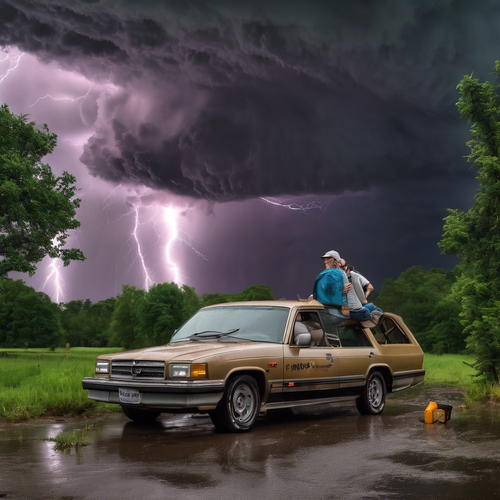
WEATHER ALERT: Thunderstorm Warning In Effect
As thunder rumbles ominously in the distance and dark clouds begin to gather, a storm is brewing that demands your attention. Thunderstorm warnings have been issued across several regions, signaling the imminent arrival of severe weather conditions. Experts urge residents to prepare and take safety precautions seriously as these natural phenomena can grow fierce, quickly transforming tranquil skies into a cacophony of lightning and torrential downpours. ☔⚡
The Nature of Thunderstorms
A thunderstorm is not just a perplexing display of nature’s grandeur; it’s a highly organized weather event fueled by the conditions of warm, humid air meeting cooler, drier air. As these air masses collide, unstable conditions provide the energy necessary for this chaotic weather system to develop. According to the National Weather Service (NWS), approximately 10% of thunderstorms become severe, producing damaging winds, hail, and flash flooding.
Data reveals that more than 30 million Americans are, at any given time, under some form of thunderstorm watch or warning, illustrating just how common yet potentially hazardous these storms can be. As the skies darken, let’s explore the multifaceted dangers that accompany thunderstorms and how to stay protected.
Understanding the Risks
Thunderstorms bring with them a combination of risks that can endanger life and property:
- Lightning Strikes: Each year, around 20 people in the U.S. are killed due to lightning strikes. It’s crucial to seek shelter in enclosed buildings or vehicles when thunder is heard. ⛈️
- High Winds: Thunderstorms can produce straight-line winds exceeding 60 mph, capable of uprooting trees and damaging roofs and vehicles.
- Hail: Hailstorms can lead to significant property damage, with hail the size of golf balls capable of breaking windows and damaging crops.
- Flash Flooding: A common consequence of heavy rain during a thunderstorm, flash floods can occur with little warning, presenting life-threatening conditions.
- Tornadoes: In severe thunderstorms, tornadoes can spawn, with winds that can exceed 200 mph, demolishing everything in their path.
Emergency Preparedness: What You Need to Know
With storms on the horizon, taking proactive steps can help ensure your safety:
Before the Storm:
- Stay Informed: Sign up for weather alerts via local news outlets or smartphone applications. Being informed about impending storms can make the difference in preparedness.
- Secure Outdoor Items: Bring in or secure patio furniture, decorations, and other movable items that could become dangerous projectiles in high winds.
- Have an Emergency Kit Ready: Your kit should include essential items such as a flashlight, batteries, non-perishable food, water, a first aid kit, and a battery-powered radio. 💡
Once the storm approaches, it’s crucial to take shelter:
- Find Shelter: Indoors is best! Stay away from windows and doors. If you’re in a mobile home or temporary structure, seek more secure shelter.
- Avoid Electronics: During thunderstorms, unplug electronics to protect them from power surges caused by lightning strikes.
- Stay Calm: Anxiety can escalate during severe weather. Keep informed and remind those around you that storms do pass. 🙏
What to Do After the Storm
Once the thunder fades and the winds die down, it’s important to remain cautious. Flooding may persist, and unforeseen hazards could lie hidden.
- Assess Potential Damage: Before stepping outside, listen for updates on local conditions and dangers. Be wary of downed power lines or unstable structures.
- Communicate: Reach out to family members and neighbors to check on their well-being. Community bonds are essential post-storm.
- Report Safety Hazards: If you come across downed power lines or significant hazards, report them to local authorities for immediate attention.
Understanding Weather Alerts
Thunderstorm warnings and watches are critical tools used by meteorologists to communicate risks. Understanding these terms will help you stay informed:
- Watch: Conditions are favorable for the development of thunderstorms in the area. Remain cognizant of potential developments.
- Warning: A storm has been observed or indicated by radar. Immediate action is required to ensure safety.
Staying educated on storm developments and understanding the risks they pose can empower individuals to respond effectively to weather alerts. While thunderstorms are a natural part of our environment, preparation is key to safety. As you navigate these atmospheric upheavals, keep in mind: nature can be unpredictable, but your response need not be.