


National Hurricane Center Watching Gulf For Small Chance Of Tropical Development 🌪️🌊
As the summer heat clings stubbornly like a child refusing to leave a playground, the National Hurricane Center (NHC) has once again turned its gaze towards the vast, sultry expanses of the Gulf of Mexico. With a small chance for tropical development stirring under the water’s surface, one can’t help but marvel at nature’s unpredictable theatre—where chaos and calm dance a familiar waltz.
A Storm in Waiting
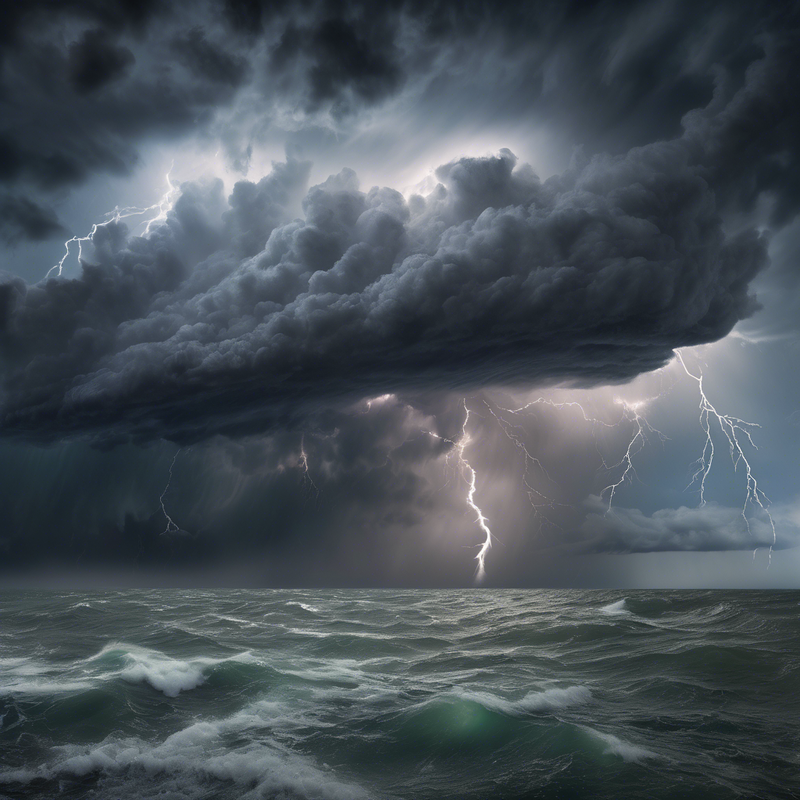
During such sultry months, the Gulf appears deceptively serene, almost inviting, as if daring the storm clouds to release their pent-up fury. According to the NHC, meteorological conditions are ripe for the brewing of something tropical, though the odds hover at a mere 20%. Humidity and thermal energy weave together like an intricate tapestry, hinting at what could emerge from the warm waters. Is it a tempest, or merely a mirage shimmering in the summer heat?
The irony of the situation is not lost on those who have weathered the storms in years past. While residents savor the afternoon sun, they remain keenly aware of how quickly the playful clouds can morph into harbingers of disaster. What seems like a slimming chance of tropical development may very well emit waves of anxiety beneath the surface. We are reminded: in the climatic theater, nature reserves the right to change scripts at whim, leaving us both captivated and terrified.
Historical Context: Lessons from the Past
To understand this current weather anomaly, one must delve into a Chronicle of Hurricanes past. The Gulf of Mexico has been both a cradle and a grave for storms—some devastating, others fleeting. It’s a paradox, of sorts: lauded as a bastion of warmth and biodiversity, yet infamous for its capacity to unleash catastrophic forces. From Hurricane Katrina’s heart-wrenching devastation in 2005 to the remarkable twists of fate brought by lesser storms, the Gulf has shown both the beauty and peril of nature.
While today’s forecasters sit safely behind screens, calculating probabilities and monitoring satellite imagery, one can’t discount the echoes of the past—the elders who faced storms with nothing but their instincts and perhaps a well-held charm. Living in the age of analytics is intoxicating but can create a false sense of security, breeding complacency as much as caution.
Modern Predictions: Navigating the Uncertain Seas
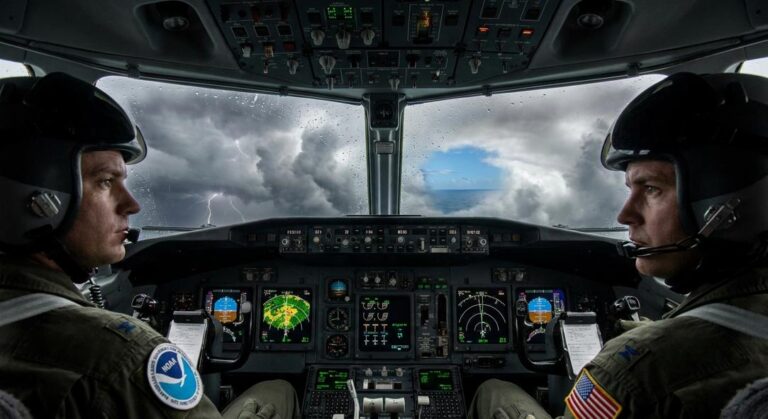
The NHC bases its prognostications on advanced modeling, adeptly interpreting the shifting winds and humidity levels. Yet, even the finest forecasting systems are jerks at predicting weather phenomena, as if they are indignant at our attempts to tame their unpredictable nature. A small chance of development now could escalate rapidly; we only need to look back a few years to see storms that began as mere whispers on radar, then roared across coastlines with unbridled ferocity.
The Gulf of Mexico experiences an average of 6 to 8 named storms annually during hurricane season, which runs from June 1 to November 30. The impact of climate change has raised the stakes, causing storms to become more intense and unpredictable.
For coastal communities, this possibility instigates a moral quandary: prepare for the worst while hoping for the best, like reading the menu at a restaurant where every choice is a gamble. Stocks of water, batteries, and canned goods sit next to sunscreen and beach towels, each vying for attention as the duality of life unfolds. Are we too cautious, or not cautious enough? The answers blend like colors on a painter’s palette.
The Human Element in the Face of Nature’s Fury
While the NHC charts the skies and monitors the waters, it’s the people on the ground who bear the brunt of storms, whether they stay or flee. Either way, they reflect a profound resolve. The strength of spirit reminds us that when nature calls, our communities find ways to muster hope and resilience amid waves of uncertainty.
As we watch the situation unfold, it may serve as a reminder: sometimes it takes a storm to reveal strength, like diamonds forged in pressure. This light shines through the fear; it is the beautiful resilience of humanity juxtaposed against the harsh realities of the elements.
So, as we monitor the Gulf’s simmering potential, let us embrace the irony of waiting for whispers in a tempest, igniting conversations that go beyond numbers and graphs. What we grapple with is not just weather, but the very essence of our relationship with nature—one of awe, respect, and sometimes, trepidation.