


Florida Non-Profit to Deploy $260M for Affordable Housing 🏠🌴
In a state renowned for its glittering coastlines and ever-rising skylines, the idea of affordable housing might sound like as rare as a snowflake in Miami. Yet, a quietly ambitious non-profit is about to inject a staggering $260 million into the effort, promising hope amidst a swirling hurricane of soaring rents and a widening wealth chasm. But beneath that shiny capital infusion lies a paradox almost poetic: millions set aside to house those who can scarcely afford the fairytale façade of Florida’s urban luxury.
The Price of Paradise, Measured in Homes
Florida’s housing market has been a tempest for years now, a force of nature as relentless as its storms. The median home price in many counties has more than doubled over the last decade, outpacing wages in a cruel game where economics clashes headlong with livelihoods. While condo towers reach for the sky, thousands live paycheck to paycheck, often in overcrowded or precarious conditions.
Enter the non-profit in question—let’s call them Sunrise Housing Initiative—armed with what seems like an ocean of money for a cause that might feel like trying to dam a flood with sandbags. Their $260 million commitment is slated to develop, preserve, and renovate affordable housing units across Florida’s most affected cities, from Miami to Tampa, and onward to Orlando.
Where the Irony Cuts Deep
It’s a story as old as urban development but feels freshly tragic in Florida. Areas once affordable become gentrified so quickly that locals find themselves priced out of neighborhoods they helped build. The $260 million fund targeting affordable housing could be seen as an act of benevolent rebellion against this marginalization, but the dual forces of capitalism and desirability keep spinning a web where equity is the ultimate spider caught in its own snare.
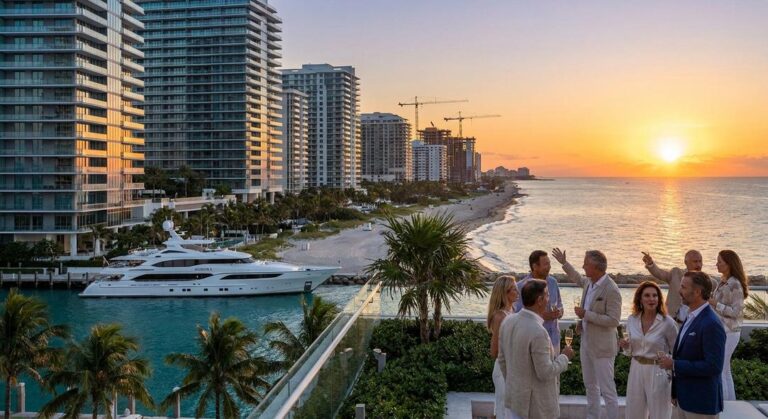
Striking antithesis manifests in the juxtaposition of glass towers casting shadows over cramped trailer parks and aging apartment complexes. The very land turned into gold for some becomes a mirror reflecting the unfulfilled promise of home for many others—how do you build community when opportunity is gated?
Making Millions Stretch Like Florida’s Endless Sunshine
Stretching $260 million across a state whose housing deficit reaches tens of thousands is a challenge akin to threading a needle in a hurricane. The plan involves mixed-use developments, collaborations with local governments, and incentives for developers to include affordable units in new projects. Importantly, preservation of existing affordable housing—often threatened with demolition or conversion—is a pillar of their strategy.
Here’s a thought: money, like sunlight, can flood a region, but if it’s not channeled, much disappears without warming anyone’s hearth. Funds must meet not just the numbers but the nuances: zoning laws, community buy-in, and the unpredictable tides of construction costs.
- Partnerships with local municipalities aim to navigate restrictive zoning that artificially limits affordable unit construction.
- Utilization of low-income housing tax credits, a well-trod, yet vital path to leverage the investment.
- Incorporation of sustainable building practices to reduce long-term costs and environmental impact in a state where climate change aggressively threatens homes.
The approach is comprehensive, but the question lingers: can philanthropy and strategy overcome a market that often rewards exclusivity and speculation over inclusion and stability?
The Human Face of the Investment
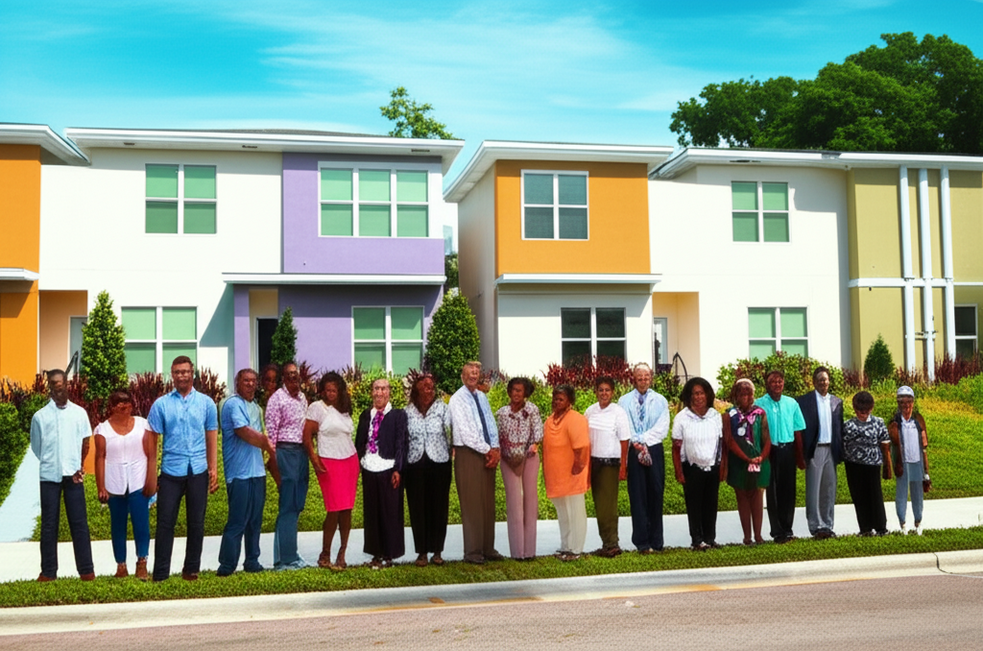
Behind the figures are stories—single mothers juggling multiple jobs, elderly folks battling fixed incomes, young families squeezed into third-hand apartments. For them, affordable housing is not just a line item in a policy; it’s the fragile crutch supporting dreams and dignity.
One could imagine a metaphor where affordable housing is like a delicate coral reef: vibrant, vital, but vulnerable under relentless external pressures. It demands protection and nurturing lest its foundation crumble under waves too powerful to withstand.
It’s this human reality that propels the sunrise of this $260 million investment beyond mere numbers—a push against entropy and marginalization. Yet, there’s no escaping the haul: the scale of homelessness and cost-burdened households remains vast, a shadow cast over the sunniest state.
The Road Ahead: Beyond Dollars and Deeds
The initiative’s success depends not just on dollars deployed, but on navigating bureaucratic mazes, community tensions, and the often at-odds interests of developers and residents. It also confronts a broader question facing many American cities—how to build a future that embraces all citizens comfortably, not just those with golden keys.
Florida’s affordable housing quest is, in many ways, a microcosm of a national struggle. The $260 million, while insufficient alone to solve systemic issues, could be the spark lighting new frameworks, collaborations, and innovations that resonate far beyond state lines.
One wonders—if a state famed for its endless sunshine can’t solve the shadow of housing insecurity, what hope do less fortunate places have? Yet, in this challenge, there lies the seed of possibility. Sometimes, the most profound change begins not with a tidal wave but a meticulously tended ripple.
🏡 The stakes are high, the journey arduous, but Florida’s new pledge stands as a testament to the conviction that home is not a luxury—it’s a human right waiting to be acknowledged, one investment at a time.