

NTSB Issues First Report on Boca Raton Plane Crash
The aftermath of a tragic plane crash in Boca Raton, Florida, is still reverberating through the aviation community as the National Transportation Safety Board (NTSB) has released its initial report. The report, containing crucial insights into the accident, raises significant questions about safety protocols and operational oversight in light of an incident that has left many unsettled. 🌐✈️
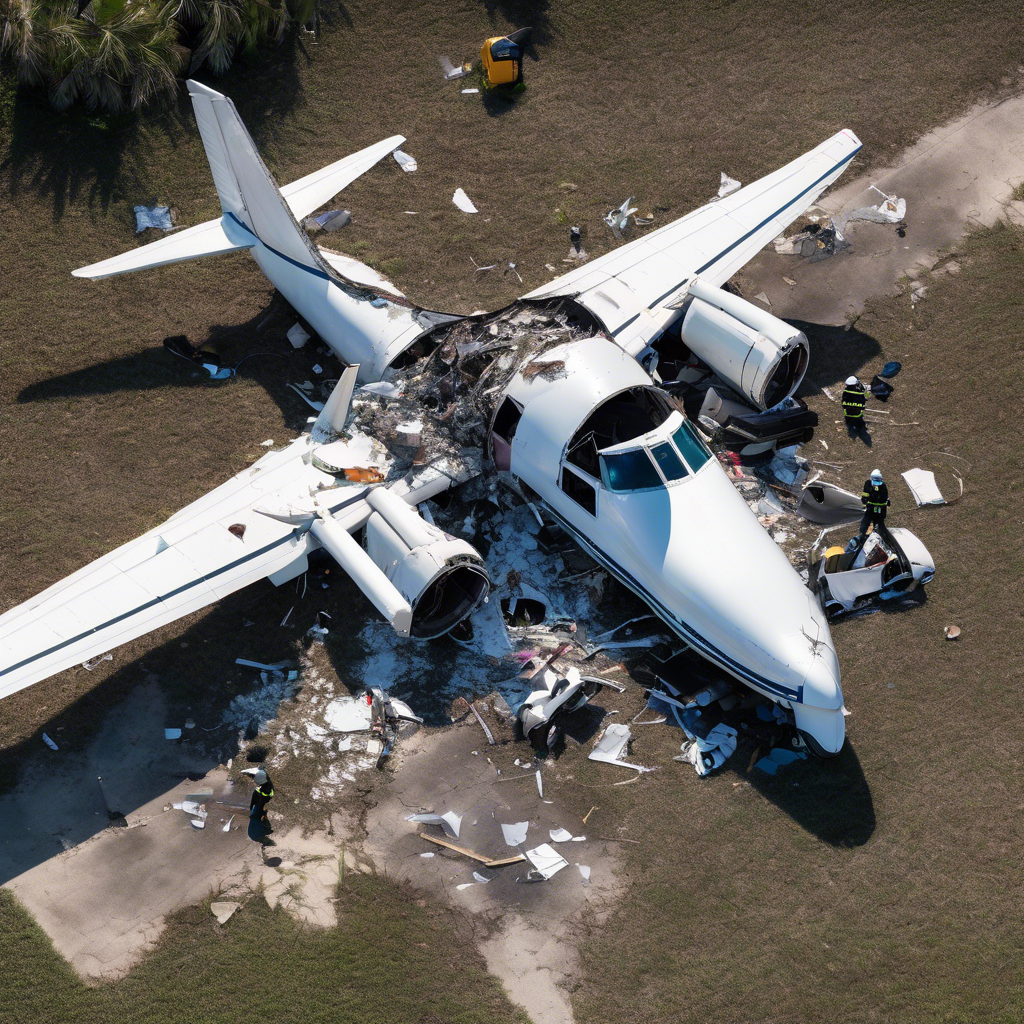
On a quiet afternoon earlier this month, a small aircraft, a Beechcraft Bonanza, suddenly lost altitude and crashed into a residential area, narrowly avoiding further disaster by landing in a vacant lot. The National Transportation Safety Board responded swiftly, dispatching a team to investigate the circumstances surrounding the crash, which fortunately resulted in no fatalities but left one individual hospitalized.
The NTSB’s Findings at a Glance
In its preliminary findings, the NTSB outlined several key points that will shape ongoing investigations:
- Flight Path and Maneuverability: Eyewitnesses reported that the aircraft appeared to be struggling to maintain altitude before descending rapidly. The NTSB’s investigation has focused on the plane’s flight path, speed, and possibly mechanical failures. 📉
- Pre-Flight Inspections: Investigators are scrutinizing the pre-flight inspection records. Was the aircraft adequately maintained? Were there any reported issues prior to takeoff? Concerns regarding adherence to established safety check protocols are paramount. 🔍
- Pilot Training and Experience: The aircraft’s pilot, who survived the crash, has been a focal point of the investigation. The NTSB will assess the pilot’s training history and prior flight experience to determine if any factors contributed to the crash. 🎓
- Environmental Conditions: Meteorological data from the day of the crash suggests calm weather, but to rule out external factors, investigators will analyze additional data related to wind patterns and air traffic in the area during the flight. 🌤️
Emergency Response: A Look at the Scene
The response to the crash by local emergency services was prompt. Firefighters and paramedics arrived on the scene within minutes, securing the area and tending to the pilot. The quick actions prevented what could have been a significantly more catastrophic outcome given the aircraft’s proximity to residential properties.
“This incident underscores the importance of rigorous safety protocols and emergency preparedness,” said Fire Chief Maria Lopez. “We were fortunate that the crash site was unoccupied, but it serves as a grave reminder of the risks associated with aviation.” 📢
The Bigger Picture: Aviation Safety and Lessons Learned
As the investigation continues, it brings forth broader discussions about aviation safety regulations and pilot training. In recent years, instances of small aircraft accidents have ignited debates over regulatory compliance and the efficacy of training programs.
The Role of the NTSB: Ensuring Accountability
The NTSB plays a pivotal role in ensuring accountability within the aviation industry. Its reports often lead to widespread changes in regulations and practices aimed at bolstering safety standards. This latest crash in Boca Raton may serve as a catalyst for reevaluation of maintenance protocols and pilot training requirements. However, it will also require the cooperation of industry stakeholders and regulatory bodies to enact meaningful reform. 🔧🔒
Public Reaction and Community Impact
The local community has expressed mixed emotions in the wake of the crash. Many residents are grateful that no one was seriously injured, but the incident has reignited fears about aviation safety over their homes. “You hear these things on the news, but when it happens in your backyard, it hits differently,” remarked local resident and aviation enthusiast Peter Vargas. “We need to ensure that flying remains safe for everyone.” 🏠
In conclusion, while this initial report from the NTSB paints a concerning picture, it is crucial to await further details to fully understand the circumstances surrounding the Boca Raton crash. Only through comprehensive investigation and analysis can we hope to glean lessons that will prevent such incidents in the future. The aviation industry must commit to not only addressing these findings but also fostering a culture of safety that ensures confidence for both pilots and the communities they serve. 🌟