



Hurricane Center: NHC Atlantic Tropical Weather Discussion 🌪️
As summer progresses into the heart of hurricane season, the Atlantic Ocean awakens with the burgeoning potential for severe tropical weather. With the Atlantic basin already hinting at developing systems, the National Hurricane Center (NHC) is actively on watch, providing detailed discussions and critical updates that can shape preparedness efforts along the coast. For millions who inhabit the vulnerable coastal areas, staying ahead of these looming threats is vital. 🔍
Current Conditions: What’s Brewing in the Atlantic?
The NHC has reported the formation of new areas of interest, with clusters of thunderstorms gathering strength. These systems are often classified into different categories based on their potential to develop into tropical cyclones:
- Tropical Depressions: This stage indicates that the system has organized enough to maintain circulation and could evolve into a tropical storm.
- Tropical Storms: Once the winds reach speeds of 39 mph or more, the system is classified as a tropical storm, complete with a name, such as the recently named Storm Alpha.
- Hurricanes: When sustained winds exceed 74 mph, the system is classified as a hurricane, with factors such as Category 1 to Category 5 based on wind speed.
Understanding the Hurricane Scale: The Saffir-Simpson Scale
The implications of these classifications are significant. The Saffir-Simpson Hurricane Wind Scale categorizes hurricanes based on sustained wind speeds and potential damage:
- Category 1: Minimal damage (74-95 mph winds) – Winds can cause damage to unanchored mobile homes, trees, and power lines.
- Category 2: Moderate damage (96-110 mph winds) – Considerable damage will occur, especially to mobile homes, and there is a risk of injury or death due to flying debris.
- Category 3: Extensive damage (111-129 mph winds) – Major damage; well-built homes could incur severe damage, with a high risk of power outages that could last several weeks.
- Category 4: Catastrophic damage (130-156 mph winds) – Most trees will be uprooted; residential areas will become uninhabitable for weeks or months.
- Category 5: Ins catastrophic damage (157 mph and higher) – A high percentage of framed homes will be destroyed, with complete roof failure and wall collapse. 🌧️
Forecasting the Path: Tracking the Storms
Accurate forecasting relies on complex meteorological models and satellite imagery. The NHC utilizes state-of-the-art technology, including Doppler radar and ocean buoys, to gather critical environmental data. Real-time updates and projections help agencies prepare for the potential landfall of storms:
- Five-Day Forecast: The NHC provides detailed five-day tracking that allows residents to anticipate the storm’s path, including possible changes in trajectory.
- Wind Speed Projections: Wind speeds are closely monitored as they give insights into the storm’s potential for development and destructive capacity.
- Landfall Predictions: Understanding the potential landfall areas enables local governments to issue evacuations and other safety measures ahead of time. 🏖️
Preparedness: Staying Safe in Hurricane-Prone Areas
Being informed is just one part of the equation; proactive responses can mitigate damage and save lives. The NHC emphasizes the importance of hurricane preparedness, which includes:
- Evacuation Plans: Understanding local evacuation routes and having communication strategies in place with family and friends can ensure safety.
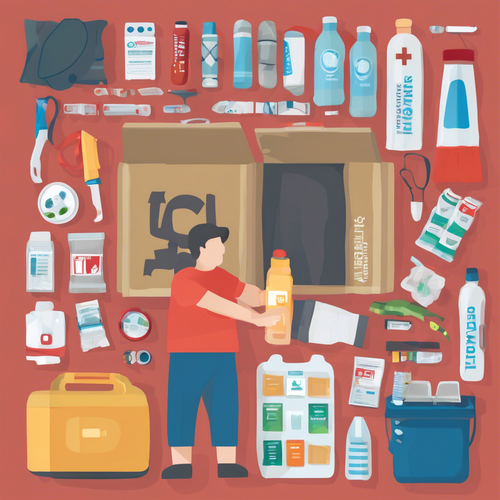
- Emergency Kits: Assemble a kit with essentials, including water, non-perishable food, medications, flashlights, and batteries.
- Home Reinforcement: Secure windows and doors and trim trees to minimize debris hazards. 🌲
“Storm preparation is as essential as the weather itself. The time to act is now, not when the storm is at your doorstep,” notes Mark Sudduth, a hurricane expert and storm tracker.
Recent Storm Patterns and Climate Change Impacts
Recent studies indicate that climate change is affecting storm intensity and frequency. Warmer ocean temperatures can fuel more intense hurricanes, shifting their traditional patterns and making forecasting increasingly critical.
A study from the National Oceanic and Atmospheric Administration (NOAA) has shown that the number of storms reaching major hurricane categories is rising, which necessitates heightened vigilance from residents in coastal regions. 🌊
The Final Word: Staying Informed Is Key 🔍
While the Atlantic hurricane season poses significant risks, staying informed through reliable resources like the National Hurricane Center can empower individuals to respond effectively to these formidable weather events. Whether it’s tracking potential storms or knowing when to evacuate, proactive awareness and preparedness can ultimately save lives and protect property.