


Rip Current Awareness: Staying Safe on Southeastern Beaches 🌊
As summer approaches, crowds will flock to the sun-soaked shores of Florida’s southeastern coastline, eager to soak in the sun and surf. However, unbeknownst to many beachgoers, lurking beneath the tranquil waves are rip currents—powerful and potentially deadly forces that pose significant risks. On June 23, a Rip Current Statement was issued by the National Weather Service (NWS) Miami, advising the public to remain vigilant until June 24 at 8:00 PM EDT. Understanding these pervasive tides, and knowing how to respond when they occur, is essential for a safe and enjoyable beach experience.
The Science Behind Rip Currents
Rip currents are swift channels of water that move away from the shore. They typically form in the presence of breaking waves, and can occur in any water body with waves, but are most prevalent in ocean beaches. According to the NWS, rip currents are responsible for over 80% of rescues performed by beach lifeguards. Their strength can be so powerful that they can pull even the most experienced swimmers far from shore.
Research indicates that rip currents can reach speeds of over 5 feet per second, enough to sweep a person away within moments. These natural hazards often catch swimmers off guard, highlighting the importance of understanding their formation and recognizing the signs.
Recognizing a Rip Current 🌊
Identifying a rip current is crucial for beach safety. Here are some indicators to watch for:
- Differences in Water Color: Look for a darker section of water, representing deeper water where sand and debris are being washed outward.
- Bubbles and Foam: A choppy surface with foam, debris, and sediment moving away from the shore can indicate the presence of a rip current.
- Waves Breaking: Rip currents often appear between sections of breaking waves. If you see waves breaking on either side but not in the middle, it’s likely a rip current.
How to Stay Safe | Expert Tips from Lifeguards 🏖️
If You Are Caught in a Rip Current:
- Stay Calm: Conserve your energy and avoid panicking.
- Swim Parallel: Swim parallel to the shore to escape the current’s grip. Never swim directly against it.
- Signal for Help: If you cannot escape, wave your arms and yell to attract attention.
To enhance your safety, follow these preventive measures:
- Swim in Designated Areas: Always swim in lifeguard-supervised zones and adhere to any warnings or flags.
- Check Weather Reports: Stay informed of surf conditions and rip current forecasts through resources like the NWS.
- Never Swim Alone: Always have a buddy with you while swimming, thereby ensuring assistance in case of an emergency.
The Role of Lifeguards and Community Awareness 👩🏫
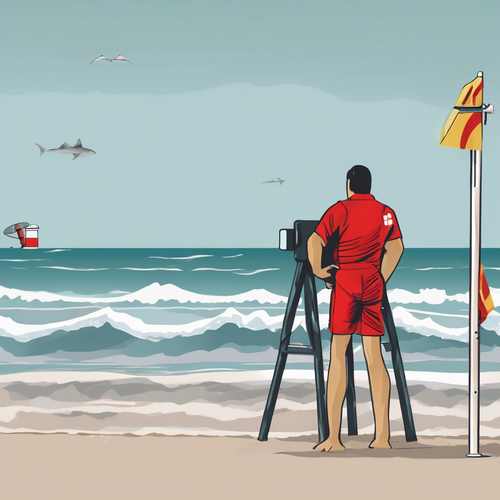
Lifeguards play an essential role in beach safety, monitoring conditions and educating the public. During peak beach seasons, lifeguard teams warn swimmers of potential rip currents, utilizing flags and signage for effective communication.
Local communities are also stepping up, organizing ocean safety workshops that educate residents and tourists alike about identifying and surviving rip currents. Simple awareness initiatives can significantly reduce the number of incidents and drownings associated with these hazardous conditions.
Conclusion: Be Aware, Stay Safe 🌞
As rip currents continue to pose a legitimate threat to beachgoers, understanding their dynamics is crucial to ensuring safety while enjoying the beautiful Southeastern coast. The message is clear: remain vigilant, recognize the signs, and heed the advice of trained professionals. Being aware of rip current safety can create not only a safer beach experience but also lifelong memories of sun, surf, and sand without incident.