



Hurricane Center: Tracking the Intensity of Atlantic Temperatures 🌪️🌊
As the summer sun reigns over the ocean, the Atlantic becomes a cauldron bubbling with potential disasters, despite our ambiguous relationship with hurricanes. With the National Hurricane Center (NHC) diligently updating its Tropical Weather Discussion, one must ponder: are we unwittingly fanning the flames of these monstrous storms through our own inaction against climate change? 🤔
Recent reports indicate a disquieting trend: warmer ocean temperatures, a phenomenon as inevitable as a child’s tantrum in a toy store, have been directly linked to intensified hurricane activity. These elevated temperatures warp the stability of air currents, creating a recipe for disaster with layers of ironic complexity. As we scramble to adapt to this shifting landscape, we find ourselves caught between embracing technology and ignoring the historical precedents of nature’s fury.
The Rising Tide of Tempers and Temperatures
The NHC’s data reveal that the average sea surface temperatures in the Atlantic have risen by over 1.5 degrees Fahrenheit since the mid-20th century. This increase mirrors a broader trend, akin to seeing your least favorite relative show up uninvited to every family function—they may not be welcome, but they’re here. Notably, researchers indicate that hurricanes derive their power from these warmer waters, gaining fuel much like an overstuffed car encroaching on the speed limit.
To illustrate, consider that for every degree Fahrenheit rise in water temperature, the potential rainfall from a hurricane increases by approximately 7%. A seemingly innocuous figure—until we realize that this translates into flooded streets and overwhelmed emergency services, as cities grapple with the aftermath of storms that were once manageable.
Historical Perspectives: A High-Water Mark for Historical Paradoxes
Historically, we often find ourselves in a paradoxical dance with hurricanes: as they grow more severe, we remain, perplexingly, tied to locations vulnerable to their wrath. Hurricane Katrina, which devastated New Orleans in 2005, serves as a stark reminder of our reliance on insufficient flood defenses and late responses. Yet, besides the havoc wrought, Katrina brought forth lessons learned—or, frustratingly, lessons perhaps not learned well enough.
As we scrutinize the latest NHC Atlantic Tropical Weather Discussion, we realize the irony of assembling data on storms exacerbated by warming temperatures against a backdrop of increasing fossil fuel consumption. Our progress is like watching a tightrope walker—one step forward with technology, two steps back with environmental policy. How many more storms will we endure before this tide turns for the better? 🌐
Life Under the Lens of Meteorology: How We Adapt
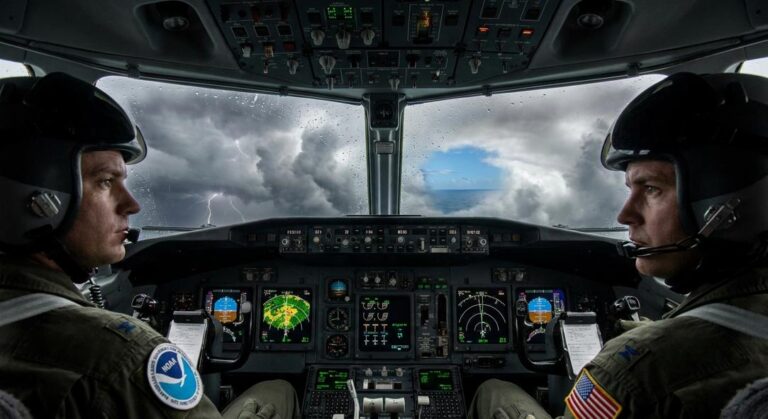
Despite the overwhelming data suggesting a dire future, technology can offer salvation. Just as an old sailor meticulously checks their compass before setting sail, communities must utilize predictive models and early warning systems to prepare for incoming storms. The NHC’s discussions detail not just what storms are brewing, but when and where they will strike.
Innovative efforts like storm surge barriers or urban planning that incorporates green spaces contrast with the hard, stark reality represented by traditional concrete. Building resilience against hurricanes now hinges on adapting and innovating rather than merely reacting. The delicate balance between nature and infrastructure reminds us, perhaps quite ironically, that in our quest for control, we are often at the mercy of forces much greater than ourselves.
Embracing the Inevitable: A Call to Action
Ultimately, the question remains: How will we respond to these stark realities? As we flip through the pages of the NHC reports, we can summon our inner David against the Goliath of rapidly changing climate conditions. It’s an uphill battle, filled with the irony of our own making: while some regions flood, others encounter droughts, showcasing the brutal antithesis inherent in our approach to climate and habitability.
To combat the stormy future, we must enhance our preparedness and invest in sustainable practices that hint at an elusive balance. Embracing eco-friendly technologies and prioritizing community-based solutions will arm us better against hurricanes than any fortified wall could. The tides are changing, but so too can our responses. 🌱💪
In essence, as we dissect the National Hurricane Center’s Tropical Weather Discussion, it is our collective responsibility to glean insights, whether buried beneath layers of charts or offered in stark predictions. With every data point provided, we must rise to the occasion—embracing the storms of today to weather the uncertainties of tomorrow. 🌅