

Hurricane Center: NHC Atlantic Tropical Weather Discussion 🌪️🌊
As the booming Amazonian rainforest stands sentinel to its own demise, so too do we watch the Atlantic’s tropical weather patterns morph before our eyes, shifting like the tectonic plates of our climate. With the National Hurricane Center (NHC) providing an ever more clarion call for attentiveness, it’s worth contemplating: how do we prepare for the weather’s unpredictable shift from mild whisper to cataclysmic roar? 📈
Unraveling Tropical Cyclone Dynamics
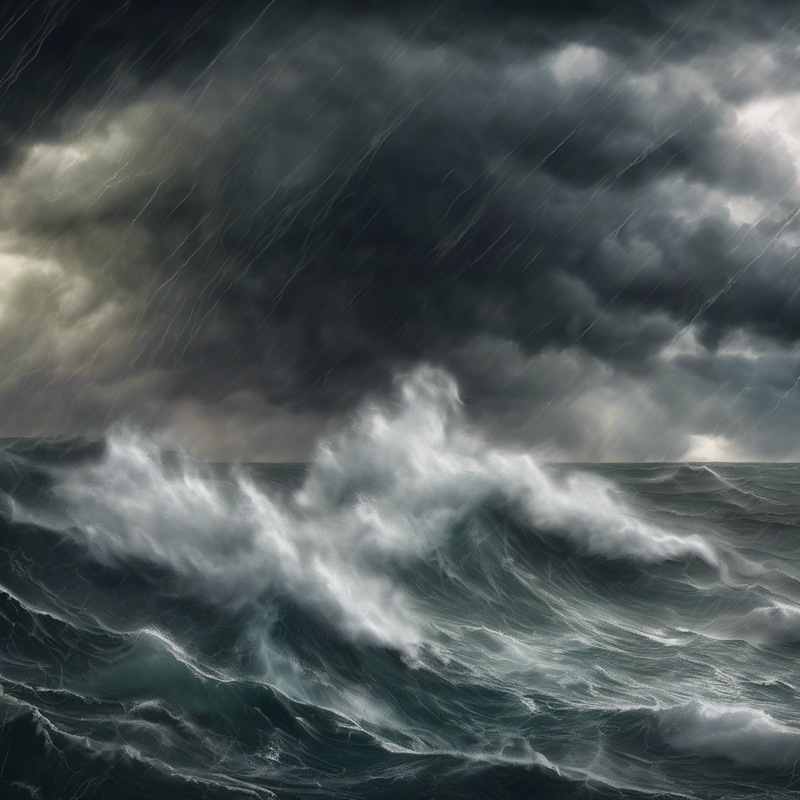
The latest NHC discussions reveal a tapestry of meteorological data, providing insights not only into active storms but also crucial predictive models. While the science may sound sleek and sophisticated, at its heart is the basic interaction of heat and moisture—elements that, more often than not, invite chaos when combined in the ocean’s warm embrace. Tropical cyclones are like the universe’s whispered secrets, their utterances rising from the surface of the ocean only to be magnified into roaring tempests. How can we harness such knowledge? 🤓
Sea Change for Coastal Communities
For coastal communities, each season poses a striking antithesis of hope and anxiety. One moment, beaches are teeming with sunbathers; the next, they brace for winds that can uproot dreams and redefine the shoreline. Research indicates that more than 8 million Americans live in coastal areas where hurricanes make landfall regularly. This juxtaposition—between carefree living and existential dread—transforms local attitudes and policies alike. 🌅
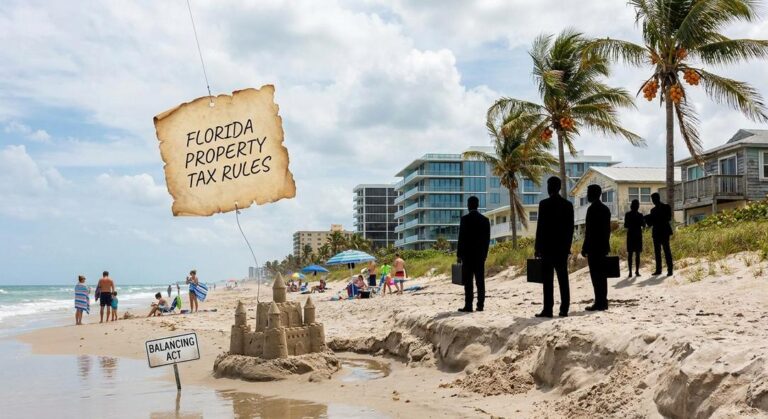
As storms become less predictable, adapting urban planning to safeguard communities is essential. How do officials strike a balance between development and disaster preparedness? This is the weighty question at hand. Communities across states like Florida and Texas are investing in resilient infrastructure while promoting awareness around hurricane readiness—tangible steps toward disaster resilience that echo louder than an impending storm surge. 🏗️
Resources and Preparedness Strategies
Preparedness is a multi-faceted endeavor. One facet involves assembling a comprehensive emergency plan akin to hurricane-proofing one’s life—think of it as a safety net woven from both communal and personal threads. Emergency kits, evacuation plans, and insurance are part of this quilt, and they must be tailored to the unique challenges posed by each tropical tempest. 🌪️
- Emergency Kits: Ensure that you have provisions for at least a week, including water, non-perishable foods, and basic medical supplies.
- Evacuation Plans: Know your exit routes and have a predetermined meeting place for your family.
- Home Safety Measures: Strengthen your home by securing windows and doors, and consider installing storm shutters or impact-resistant glass.
- Insurance Updates: Regularly review your policies to ensure coverage extends to hurricane-related damages, including flooding.
The Role of Technology and Forecasting
Modern technology—like watching a cat play with a laser pointer—offers advantages and hitches. While innovations in satellite imaging provide clearer pictures of developing systems, the paradox lies in our fluctuating capacity to act on this intelligence. Despite the immediacy of data, human response remains sluggish. We’ve perfected the art of predicting storms; now, we must master the art of mobilizing our responses. 📡
Wild Weather and the Changing Climate
Ironically, our advancements in understanding weather patterns seem to coincide with the intensifying impacts of climate change, transforming weather phenomena into unprecedented natural disasters. The climate is changing, with warmer waters fueling the ferocity of storms. As such, preparation isn’t simply a matter of routine; it becomes a clarion call for existential survival. Strategies need to evolve as rapidly as the storms themselves. We are not just tracking hurricanes; we are navigating the complexities they herald for our communities. ⏳
Living in the Age of Hurricanes
The NHC provides vital updates as new storms brew, but the onus falls to individuals and communities to heed these warnings. Like sailors steering a ship through a tempest, we must cultivate resilience and adaptability in the face of nature’s unpredictability. This relationship with our environment can be expansive and transformative—what will we learn from history’s unforgiving storms? 🌎
In the grand mosaic of our continuously evolving climate, the common thread remains: preparedness and education. Hurricanes may toss us about like leaves in a gale, yet armed with knowledge and proactive strategies, we can sway, bend, and ultimately ride the storm. 🌬️