

Boca Raton’s Redevelopment Push: Will It Make It to the Ballot? 🗳️
In the sun-soaked corridors of Boca Raton, where palm trees sway gently while urban life simmers beneath the surface, a powerful idea is emerging: the revitalization of its downtown area. Activists and local leaders are rallying to put a bold redevelopment plan to the public vote. But the question remains: is such a move politically feasible? 🏙️
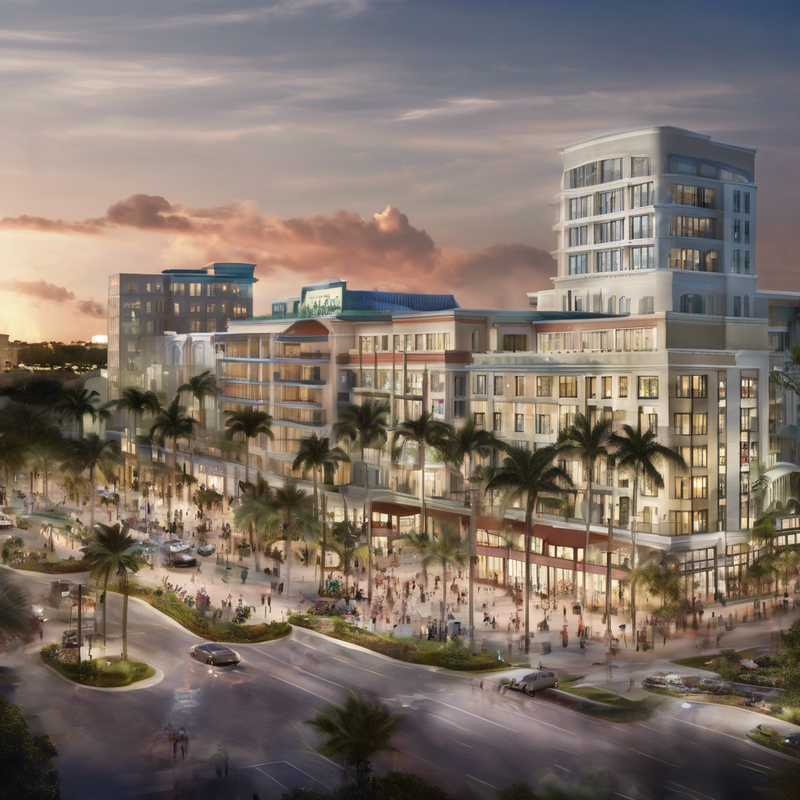
Picture this: a vibrant downtown bustling with arts, culture, and sustainable living—elements that eluded Boca Raton for decades. Many residents view the empty shops and tired sidewalks as an opportunity waiting to be seized. Yet, within the comforting cocoon of complacency, another narrative unfolds. How can a vision born from passionate community advocacy transcend the bureaucratic maze that often stifles ambitious proposals? 🤔
The Call for Change
The proposal—which promises everything from pedestrian-friendly walkways to mixed-use developments—evokes a striking antithesis. On one hand, there’s the nostalgic charm of Boca’s laid-back lifestyle; on the other, a pressing need for modernization. Residents like Anna, a retiree who’s lived here for over three decades, encapsulate this juxtaposition perfectly. “We want progress, but at what cost to our tranquility?” she muses. This tug-of-war between preservation and progress reflects a wider political sentiment among Boca’s citizens.
Interestingly, Boca Raton is not alone in this struggle. Cities across the United States grapple with similar tensions, aiming for urban renewal while preserving community identity. Take, for example, downtown revitalization in cities like Austin and Nashville—vibrant metamorphoses crafted amid waves of skepticism and vocal opposition. In many instances, the communities’ insistence on having their voices heard has led to successful ballot initiatives, thus instigating a carefully crafted dance between developers and the public.
The Process of Putting Plans to a Vote
If Boca Raton is to follow suit, understanding the political machinery is crucial. A fascinating irony emerges here: while putting complex plans on the ballot can seem as daunting as scaling Mount Everest, it simultaneously offers a raw opportunity for citizen engagement. A proposed plan must gather signatures and weave through city protocols, ensuring it carries not just the weight of popular support but bureaucratic viability.
In this context, a proposal must not only reflect the desires of the community but also navigate the legal landscape of the Florida ballot initiative process—a task that is undeniably Sisyphean. Recent data suggests that only 30% of proposed ballot measures survive the necessary gatekeeping steps. 📊
Community Buy-In: The Heartbeat of the Initiative
It’s not just about bureaucratic red tape; community buy-in is the lifeblood of this endeavor. How do you galvanize support in a city equally divided by nostalgia and ambition? Local gatherings, social media campaigns, and heartfelt testimonies resonate like echoes, amplifying the voices of those who demand change. Conversations over coffee have become clandestine strategy sessions, where residents trade hopes for what the downtown of tomorrow could symbolize: a renaissance, a fresh start, and ultimately, a reimagined identity.
But here’s where the narrative complicates. Not everyone is on board. The shadow of gentrification looms large, causing concern over the potential displacement of local communities. Urban redevelopment can be a double-edged sword, as both advocates and critics grapple with balancing economic growth with social justice ⚖️.
The Road Ahead: Can It Actually Make It to the Ballot?
As streets buzz with discussions and public meetings unfold, one has to wonder: will Boca Raton truly embrace this potential renaissance? The ballot initiative process, akin to a tightrope walk, requires not only widespread support but also tenacity and well-crafted communication strategies. Perhaps the most potent weapon in the advocates’ arsenal is community storytelling—transforming abstract proposals into personal narratives that resonate deeply.
Imagine advertisements deriding neglected storefronts and sparse pedestrian traffic, juxtaposed with vibrant images of a bustling, inclusive urban hub. If Boca residents can envision the paradox of development—a paradox where the new coexists with the cherished past—this dream may not remain an echo but could come alive in the ballot’s reality 💭.
Decision Time
The upcoming months will determine whether Boca Raton’s ambitious downtown redevelopment plan lands on the ballot or fades into the background like a forgotten dream. Yet there is an intrinsic human quality at play: the drive to improve, to build, to challenge the status quo. And in this tenacity lies the hope that change—tangible, impactful change—may yet come. After all, isn’t that the very essence of what makes a city vibrant? As Boca Raton stands at this crossroads, its future teeters precariously on the collective aspiration of its residents. 🌆