



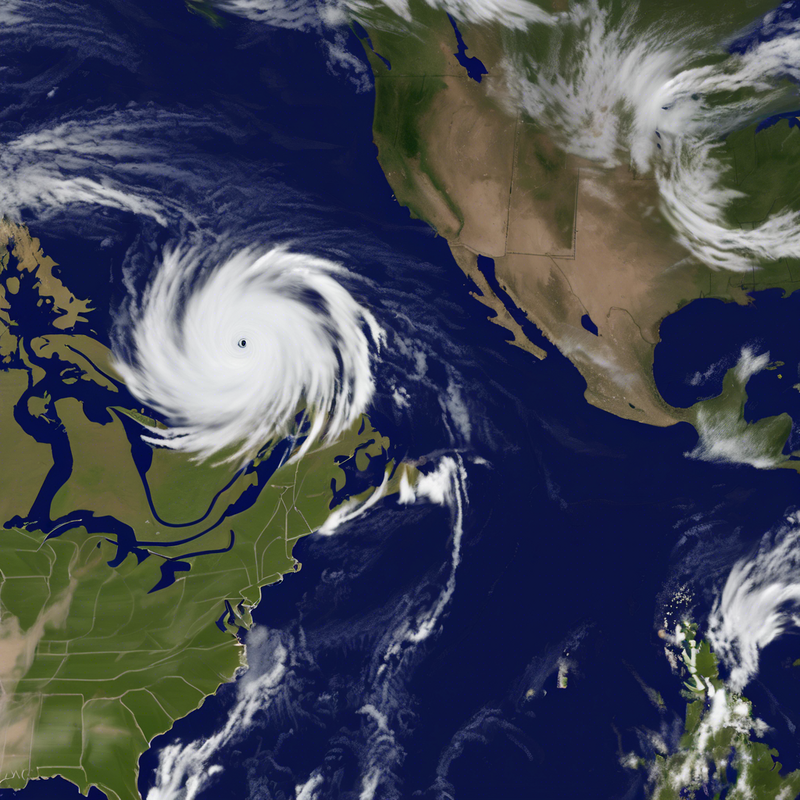
NHC Tracking Two Areas in the Atlantic Behind Hurricane Erin
The National Hurricane Center is turning its keen eye toward two new areas in the Atlantic, awash with boundless potential, just as Hurricane Erin makes its unpredictable exit stage left. It’s a classic case of “out with the old, in with the new,” yet, ironically, the unpredictability of storms makes the future more precarious than any plot twist in a soap opera. 🌪️
Shifting Tides: The Current Situation
As Hurricane Erin dissipates, its remnants swirl away like last season’s trends, the NHC has turned its attention to two distinct areas of interest. Currently designated as Areas of Disturbance, they linger in the warm embrace of the Atlantic—a breeding ground ripe for further development. What stands out here is the juxtaposition between Erin’s fierce winds and the relative calm yet ominous potential of these two new contenders. Are we witnessing the calm before another storm’s inevitable charge? 🌊
According to the NHC, both areas are showing signs of increasing organization, much like a symphony slowly tuning before the grand performance. Every meter of warm ocean water can spark a new life; if atmospheric conditions align just right, we may soon have two new tropical entities to monitor. The NHC describes a 30 to 40 percent chance of development, a statistic that feels both exciting and dreadfully ambiguous, as if predicting the end of a nail-biting thriller.
A Lesson from History: Storm Patterns and Predictions
Historically, September marks the peak of hurricane season, a time when nature’s fury aligns with the warmth of ocean water. The irony is almost palpable: just as summer’s warmth peaks, so do the chances of devastation for coastal communities. Hurricane Erin, now a memory, showcases the volatile nature of our changing climate—a reminder that our planet’s lifeblood can shift in ways that are as unpredictable as a child’s capricious mood swings.
Could Climate Change Play a Role?
The haunting specter of climate change hovers over every discussion of storms. Recent data suggests that warmer seas may contribute not only to the intensity of storms but to their sheer frequency, almost like inviting more guests to a party they never intended to host. As we ponder the implications of these new disturbances, we must also grapple with the reality of shifting weather patterns that tug at the very fabric of our environment.
What’s Next? Monitoring and Preparation
As we look forward, we can almost hear the ticking clock of prediction models. The NHC will continue to provide updates, much like an ever-watchful parent pacing the floor of a restless child. Will they blossom into fully-fledged storms, or will they dissolve into harmless puffs of cloud? 🕰️ The answers lie in the intricate dance of meteorology, where scientists balance data and intuition, making choices that may very well alter the courses of lives.
- Stay Informed: Regularly check the NHC updates to get the most current tracking information.
- Prepare Supplies: Use this time to stock up on essentials, lest unpredictability strike again.
- Community Readiness: Ensure community efforts are underway for potential evacuations or alerts.
In the end, as we watch two new areas become potential players in the Atlantic, we must remember that nature’s theatre often thrives on surprise. So, grab your popcorn—it seems the show is just getting started. 🍿✨