

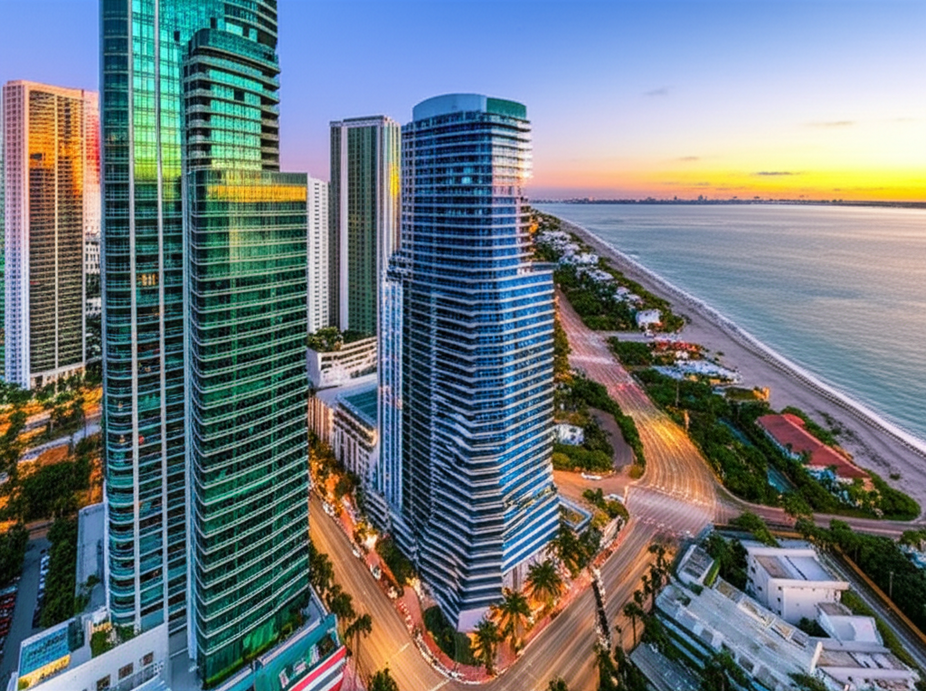
How Repricing Could Spur a South Florida Condo Boom in 2026 🏙️🌴
Imagine waking up in 2026 to find South Florida’s skyline dotted not with the usual languid cranes but with a frenetic pulse of condo sales—mirroring the relentless tides that shape its shoreline. A wave not made of water, but of repriced listings drawing a surge of hungry buyers. Could a simple adjustment—an unassuming finesse known as repricing—ignite a boom of condominiums in a market long thought to have tempered its appetite?
The Price is Right—Or Is It?
In real estate, pricing a condo is a bit like tuning a musical instrument before a concert: too sharp, and the audience grimaces; too flat, and it goes unnoticed. South Florida’s condo market has been a study in striking antithesis — post-pandemic freneticism met head-on with rising interest rates, creating a landscape where supply and demand dance a tense tango. In 2022 and 2023, condos were often priced with bravado, like palms swaying confidently despite an incoming storm, only to stall as buyers balked at ever-climbing mortgages and economic uncertainty.
Fast forward to 2026, when the market is expected to find a delicate equilibrium. Repricing—adjusting listing prices to better reflect demand and affordability—may be the linchpin. It’s a quiet revolution that could turn hesitance into urgency, converting “too expensive” into “now or never.”
Why Repricing Holds More Power Than You Think
It’s almost ironic: a city built on sun, sea, and luxury can find its booming market held hostage by, of all things, price rigidity. Developers and sellers often cling to lofty numbers like beachcombers clutching driftwood during a storm, unwilling to trim expectations even as the tide turns. But here lies the paradox—the greater the reluctance to lower prices, the longer units stay languishing.
Repricing acts like a reset button, recalibrating perceptions in buyers’ eyes and rekindling desirability. It’s like the moment when the monsoon breaks a drought—suddenly, everything blossoms, and the market breathes anew. The floodgates of demand don’t open merely because prices fall, but because buyers see opportunity where once there was only hesitation.
The Human Pulse Beneath the Market
Beneath spreadsheets and sales data lies the beating heart of buyer psychology. South Florida’s condo aspirants are not just investors chasing the next big flip; many are people chasing dreams illuminated by neon-lit nights and palm-fringed mornings. For retirees, young professionals, and tech workers alike, condos promise community and convenience—lives lived like a well-tuned orchestra, every element in harmony.
Yet, affordability remains an invisible leash tethering these hopes to reality. The irony? In a region where wealth often sparkles like the sun on Biscayne Bay, many potential buyers find themselves priced out by the very market designed to tempt them.
Repricing sends a signal that resonates deeper than the dollar sign; it whispers, “You belong here.” This subtle shift can transform an apathetic onlooker into a decisive buyer weighing down the scales of demand.
Macroeconomic Winds and the Condo Horizon
External forces loom large over South Florida’s real estate harbor. Interest rates, currently hovering higher than the sunniest days of 2021, are projected to stabilize or decrease slightly by 2026. Inflation damping, wage growth, and evolving remote work policies will also shape buyer capacity and intent.
Simultaneously, international buyers—historically a buoy for South Florida condos—are shifting their gaze due to geopolitical upheavals and currency fluctuations. This tug-of-war between domestic demand and foreign investment adds layers to the repricing equation. If repricing nudges prices into a sweet spot for locals, it could offset the cooling of overseas interest, revitalizing sales.
The Landscape of Opportunity: Neighborhoods to Watch
While Miami Beach and Brickell often steal headlines, the repricing-driven condo boom could echo loudly in up-and-coming neighborhoods such as North Miami, Downtown Fort Lauderdale, and West Palm Beach. These areas, flush with new developments but still relatively affordable, resemble fertile soil waiting for the right economic rain.
This geographical antithesis—between established luxury enclaves and burgeoning districts—creates fertile ground. Picture it like a coral reef, where older structures stand resilient but new growth thrives vibrantly just beyond the horizon.
A Glimpse Beyond the Numbers
Still, one wonders: will this boom be the kind that leaves hearts pounding and wallets richer, or a manic sprint destined to collapse? History advises caution.
Recall the exuberance of the mid-2000s, when skyscrapers bloomed like wildflowers caught in a sudden spring, only to wilt under the Real Estate Crash’s merciless drought. Yet today’s market feels less like an overripe fruit ready to rot and more like a well-pruned vine, patient after a bitter winter.
Like South Florida’s own coastline, the condo market is shaped by forces both predictable and mysterious—weathering storms, yielding to tides, yet always evolving. Repricing could very well be the invisible hand steadying the ship before the next great voyage begins.
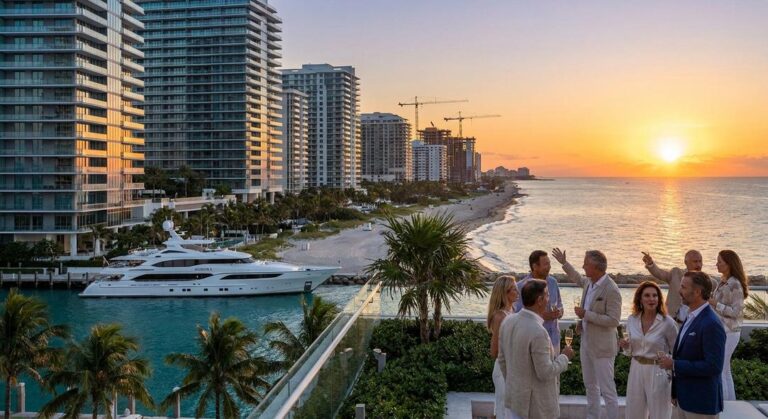
Will savvy developers and sellers seize this moment to tune their prices to the delicate pitch of market demand? If they do, 2026 might not just see the rise of another building—but the rebirth of an entire lifestyle.🌅🏢🌊